


-

Add: HeBei ShengShi HongBang Cellulose Technology CO.,LTD.
-

Email
13180486930@163.com -

CONTACT US
+86 13180486930
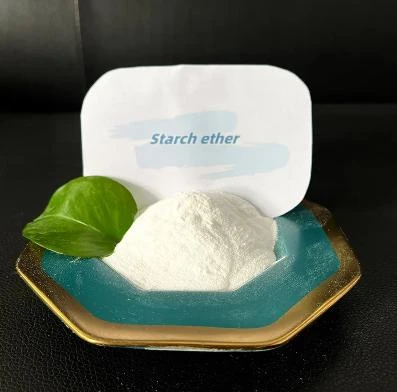
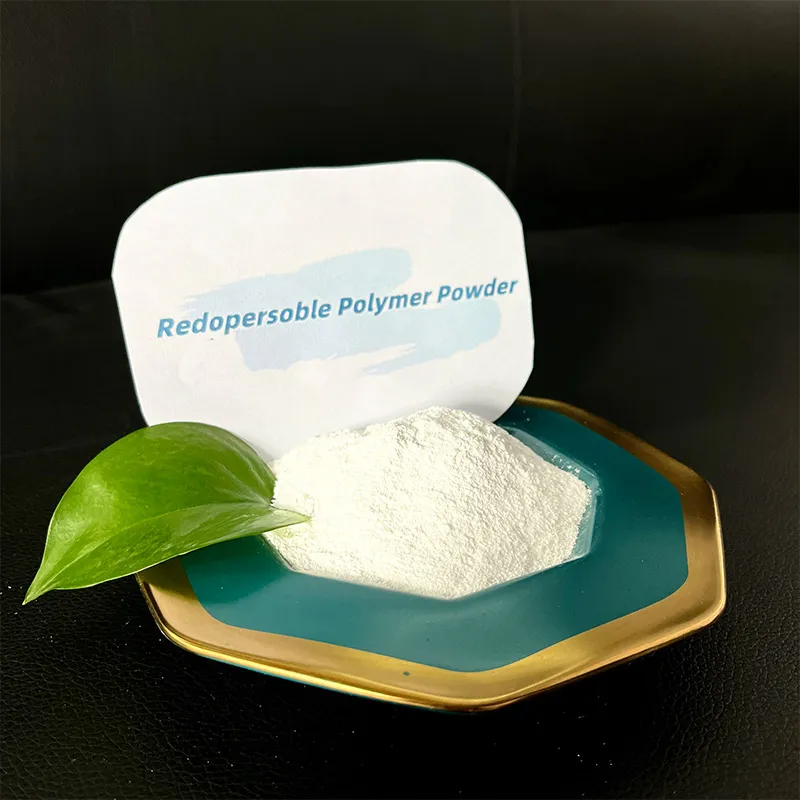
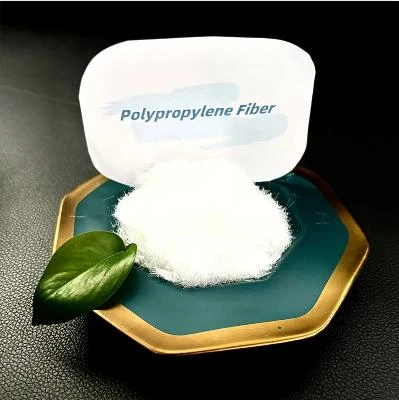
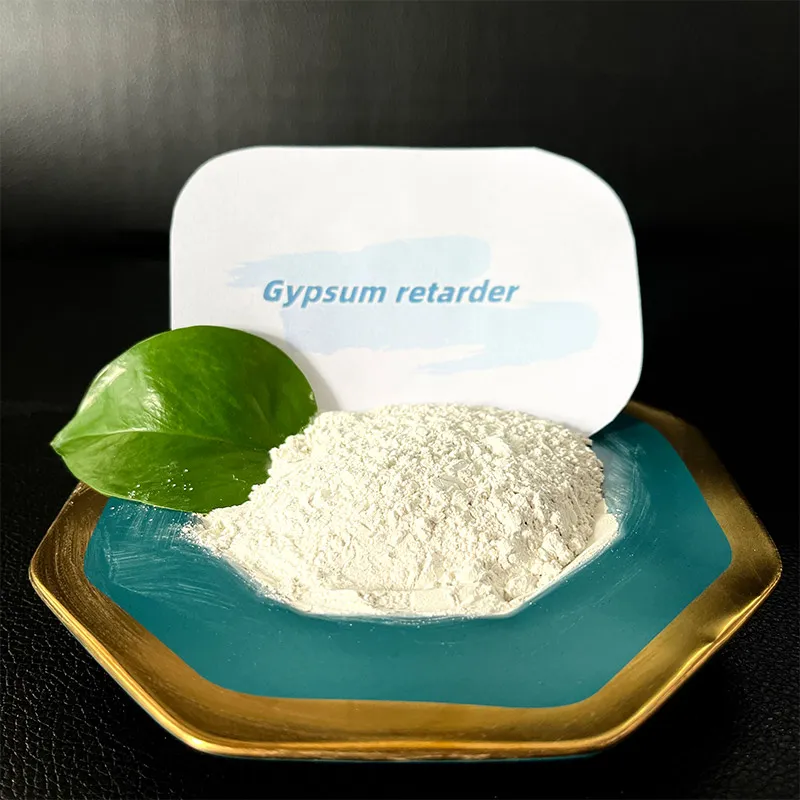

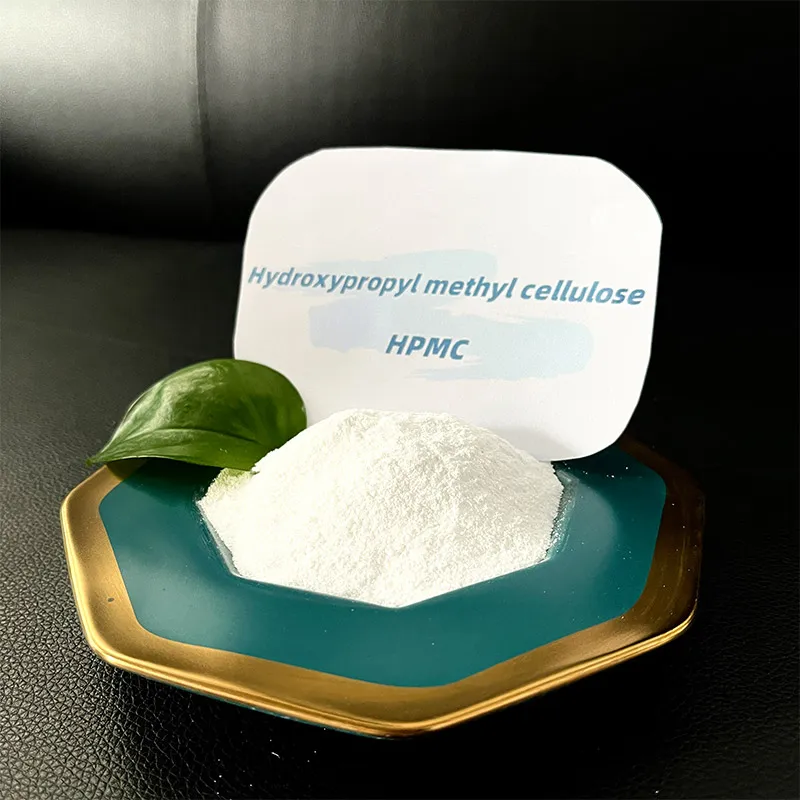


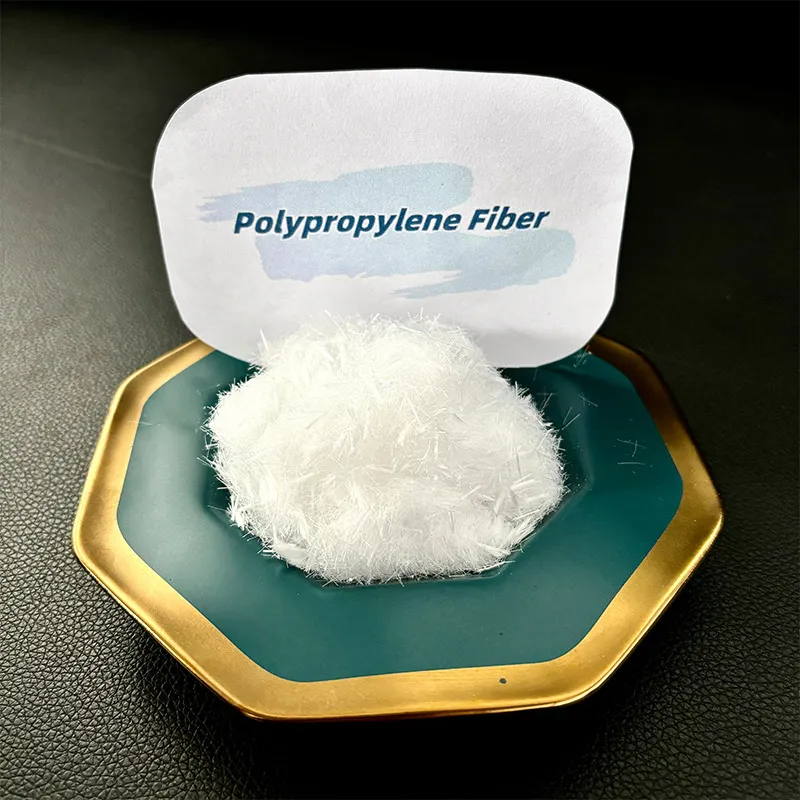
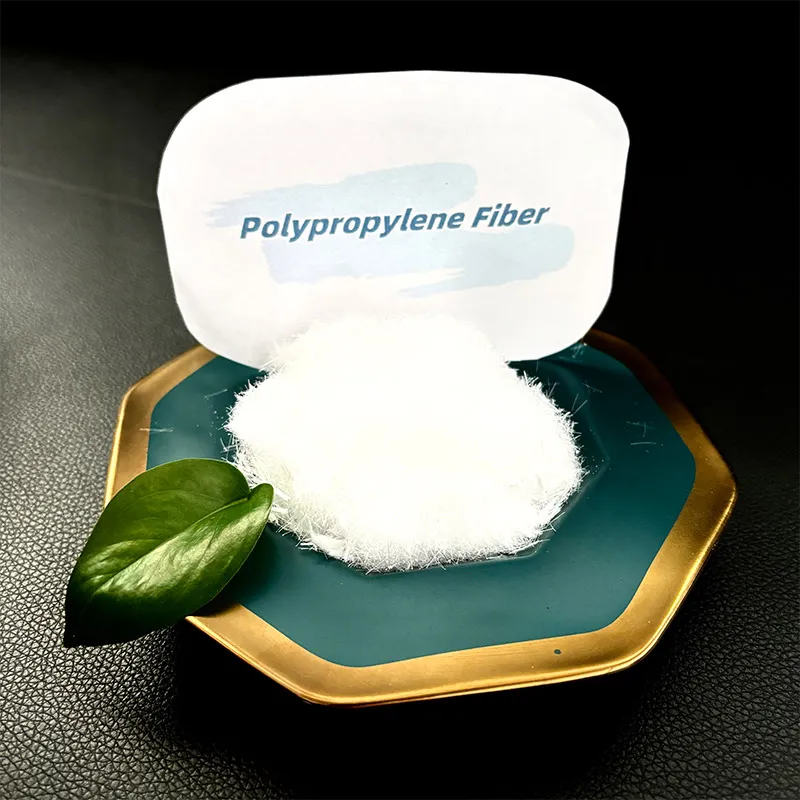
Concrete polypropylene fibers have revolutionized the construction landscape, offering an innovative solution to the age-old challenges in building materials. These synthetic fibers bring a myriad of benefits that enhance the structural integrity and durability of concrete infrastructures, and their real-world applications are proving them to be indispensable. In practice, builders and engineers alike have recognized the transformative impact of incorporating polypropylene fibers into concrete mixtures. Through firsthand experience, seasoned professionals have observed that these fibers significantly reduce cracking tendencies. Post-construction, this feature translates to lowered maintenance costs and extended longevity of concrete structures, creating a cost-effective solution in both short-term and long-term scopes. From the standpoint of expertise, it’s crucial to delve into the composition and benefits that make concrete polypropylene fibers stand out. Originating from thermoplastic polymers, these fibers offer high resistance to various physical and chemical impacts. The expert consensus highlights the fibers’ strength in enhancing resistance to freeze-thaw cycles, a common concern in regions with fluctuating climates. By reinforcing the concrete matrix, polypropylene fibers decrease permeability and offer enhanced protection against water infiltration, thus maintaining the structural integrity over time. In laboratory environments, precise tests have consistently demonstrated the advantages of these fibers. Researchers specializing in materials science have empirically validated that polypropylene fibers improve impact resistance and mitigate splitting, especially in high-traffic areas like pavements and industrial floors. These findings are corroborated by data showing reduced occurrences of micro-cracking during the curing process, setting a new benchmark in concrete durability. Authoritative bodies in the construction industry have recognized the benefits of using polypropylene fibers, therefore endorsing their use through updated building codes and standards. Organizations such as the American Concrete Institute (ACI) and the British Standards Institution (BSI) have integrated guidelines that recommend the use of synthetic fibers for concrete reinforcement. This endorsement not only reflects the growing trust in these materials but also guides best practices in application techniques. concrete polypropylene fibers Credibility in using concrete polypropylene fibers is further established through numerous successful projects globally. An exemplar is the construction of high-rise buildings in seismic zones, where the fiber-reinforced concrete has provided enhanced structural stability. Engineers involved in these projects report that the fibers allow for more flexible and adaptive designs, accommodating various architectural specifications without compromising safety or quality. Bringing a practical perspective, contractors with extensive field experience often highlight the ease of using polypropylene fibers during concrete mixing and pouring. Unlike traditional reinforcement methods, these fibers distribute uniformly throughout the mix, ensuring comprehensive protection and reinforcement. This uniformity contributes to a smoother preparation process and ultimately, superior finish quality in architectural applications. Trust in polypropylene fibers is also underscored by their environmental benefits . As sustainable building practices gain traction, these fibers contribute to eco-friendly construction goals by potentially reducing the need for other less sustainable reinforcement materials. Their production and integration result in a smaller carbon footprint, making them a fitting choice for projects aiming for green certifications and reduced environmental impact. In conclusion, the integration of concrete polypropylene fibers marks a significant advancement in modern construction practices, addressing long-standing challenges with innovative solutions. Professionals armed with both empirical evidence and field data assert that these fibers deliver unparalleled benefits in terms of durability, cost-efficiency, and environmental impact. As industry standards continue to evolve, the reliance on, and trust in, polypropylene fibers is poised to grow, positioning them as a key component in the future of sustainable and resilient construction.
- 40000tons

Production
- 20+years

Experience
- 5000+㎡

Acreage

-
Rubber Powder Production Line Revolutionizing Material Recycling In an era where sustainability and waste reduction have become paramount, the rubber powder production line emerges as a pivotal innovation. This technological advancement not only addresses the environmental concerns posed by tire waste but also offers a plethora of industrial applications that extend beyond typical recycling methods. Understanding the Rubber Powder Production Line Rubber powder production lines are intricate systems designed to convert waste rubber, predominantly from used tires, into fine, reusable rubber powder. These systems stand out due to their technological sophistication, combining thermal and mechanical processes to ensure efficient recycling. From shredding and granulation to pulverization, each step is meticulously designed to maximize yield and quality. The Expertise Behind Rubber Processing The success of a rubber powder production line is highly contingent on the expertise behind its installation and operation. The process starts with shredding, where tires are meticulously cut into smaller, manageable pieces. This requires a deep understanding of machinery calibration to prevent equipment wear and ensure operational efficiency. It also involves precise control over temperature settings during the vulcanization reversal process, a stage where waste rubber is chemically treated to revert back to a malleable state. Professionals in the field leverage their profound knowledge to optimize these processes, thus boosting productivity while adhering to environmental standards. The importance of expertise is further accentuated when considering the diverse rubber compositions that necessitate tailor-made processing strategies to achieve uniform powder quality. Authoritativeness in Quality and Compliance Producing rubber powder that meets industry standards demands authoritative control over several variables. Quality assurance is paramount, with rigorous testing protocols conducted at various production stages; these encompass fineness, purity, and the absence of contaminants. Certification from recognized industry bodies provides a seal of credibility, assuring clients of the powder's suitability for diverse applications such as asphalt modification, sealants, and rubber products manufacturing. rubber powder production line Moreover, compliance with international regulations concerning environmental safety and industrial emissions reinforces the production line's authoritative stance in the market. Employing cutting-edge technologies like cryogenic grinding, which uses liquid nitrogen to achieve finer powder without thermal degradation, exemplifies the commitment to both innovation and compliance. Trustworthiness Through Sustainable Practices Trust in the rubber powder production line is built on a foundation of sustainable practices. Establishing a sustainable model not only enhances environmental value but also resonates with environmentally-conscious customers seeking reliable suppliers. The rubber powder production line addresses waste reduction by closing the loop in tire lifecycle management, transforming waste into a resource. Reliability is further demonstrated by consistent supply chains, timely deliveries, and transparent communication with stakeholders. By prioritizing sustainable operations, producers foster long-term relationships with clients who value ecological responsibility and ethical business practices. Innovative Applications and Market Expansion The rubber powder produced via these advanced lines opens new avenues in various industrial sectors . Its application in modified asphalt enhances road durability and resistance to wear, significantly extending infrastructure longevity. Additionally, it serves as a crucial component in the production of high-performance seals, gaskets, and shock absorbers, enabling manufacturers to enhance product quality. The versatility of rubber powder extends to the footwear industry, where it contributes to the production of sustainable soles that match the performance of traditional materials while reducing environmental footprint. As the demand for cost-effective and eco-friendly materials rises globally, the market potential for rubber powder is set to expand, offering lucrative opportunities for producers. Conclusion Embracing the Future The rubber powder production line stands at the forefront of industrial innovation, embodying the Experience, Expertise, Authoritativeness, and Trustworthiness principles. These systems not only exemplify advanced recycling technologies but also resonate with global sustainability objectives. As manufacturers and industries pivot towards more responsible practices, embracing the capabilities of rubber powder production lines will drive both environmental and economic benefits, paving the way for a sustainable future.
-
Navigating the ever-evolving world of skincare ingredients, one might stumble upon hydroxypropyl starch phosphate, a seemingly esoteric compound that has quietly begun to revolutionize the beauty industry. Often overshadowed by more market-friendly terms such as hyaluronic acid or niacinamide, hydroxypropyl starch phosphate offers unique properties that provide tangible benefits for skin health and beauty. The purpose of this exploration is to uncover its secret potential, establishing its rightful place among trusted skincare resources. Hydroxypropyl starch phosphate , a modified starch, is derived from naturally occurring corn or potato starch. Through chemical processes, this starch undergoes modification to become more functionally versatile, displaying excellent stability and compatibility with a wide range of cosmetic formulations. Starch, a known polysaccharide, is selected for transformation due to its pristine texture, sustainable production, and high dermal compatibility. The resultant compound serves as a thickening agent and stabilizer, contributing to a better product feel and extended shelf life. From a professional perspective, this ingredient's most remarkable feature is its ability to improve the sensorial aspect of cosmetic formulations. Thanks to its molecular structure, formulations incorporating hydroxypropyl starch phosphate provide a silky, smooth texture without any residual stickiness or tackiness. This characteristic is invaluable not only to formulators looking to enhance user experience but also to end-users who desire a luxurious application feeling. hydroxypropyl starch phosphate for skin Digging deeper into the expertise domain within cosmetic sciences, hydroxypropyl starch phosphate enhances the appearance and functionality balance in cosmetic products. It protects and hydrates the skin by forming a breathable barrier on the surface. This non-occlusive shield allows the skin to maintain moisture while protecting it from environmental stressors. Moreover, the presence of this ingredient boosts the efficacy and delivery of active ingredients. By improving formulation texture, active agents like antioxidants or vitamins do not face barrier challenges, ensuring they effectively reach skin tissues. The authority of hydroxypropyl starch phosphate lies in its growing acceptance in dermatology circles and its benefits validated by empirical evidence. Clinical studies emphasize its hypoallergenic nature, making it suitable for sensitive skin types—a major advantage for those facing notable skin reactions from other thickening agents. Its non-irritating profile
advantages
-

200000 Viscosities
Excellent product
We can produce pure products up to 200,000 viscosities
-

40000 tons
High yield
We don’t stop production all year round, and the annual output can reach 40,000 tons
-

24 hours
Quality service
We provide 24-hours online reception service, welcome to consult at any time
———— Inquiry Form
Schedule A services
-
 fiber_ya_rundo_la_polypropen
Oct . 25, 2025
Fiberglass for Concrete Mix Enhancing Strength and Durability Concrete is one of the most widely use -
 polyacrylonitrile_powder
Oct . 25, 2025
The Growing Importance of PP Fiber Concrete in Modern Construction In the ever-evolving landscape of -
 hpmc_dispersion
Oct . 25, 2025
When exploring the landscape of construction materials, HPMC Limited emerges as a pivotal player, re


